

 Feed back
 Privacy Policy
CosmoABCs
Astrology has long captivated human curiosity, offering insights into personality, destiny, and cosmic rhythms. While many are familiar with their sun sign, few realize that the true depth of astrological insight lies in the Astrological Houses. These 12 divisions of the sky, mapped in your Birth Chart, reveal how different areas of life—such as relationships, career, and personal growth—are influenced by celestial bodies. Understanding the Astrological Houses is essential for anyone seeking a more nuanced grasp of Astrology Basics and how Planetary Influence shapes your journey. Whether you're navigating a career shift, relationship challenge, or personal transformation, the houses offer a cosmic blueprint to guide your decisions and enhance Self-Understanding.

Astrological Houses are the twelve segments of your natal chart, each representing a specific domain of life. These sectors are derived from the Earth's rotation and are calculated based on the exact time and location of your birth. Unlike zodiac signs, which are fixed by the Sun's position, the houses are dynamic and personal. Each house governs a different aspect of existence—from identity and resources to communication and long-term goals. The Astrological Houses are the framework upon which planets and signs operate, giving context to their influence.
Your Birth Chart, also known as a natal chart, is essentially a snapshot of the heavens at the moment you were born. It is divided into twelve Astrological Houses, starting from the Ascendant (rising sign) and moving counterclockwise around the zodiac. The first house begins at the eastern horizon and shifts based on the time of birth. This is why two people born on the same day but at different times can have vastly different charts. The placement of planets within these houses determines how cosmic energies manifest in your life.
Each Astrological House is influenced by one or more planets, depending on where they were located at the time of your birth. For instance, if Mercury is in the third house, it enhances communication and intellectual pursuits. The strength and condition of a planet in a particular house—whether it's exalted, debilitated, or conjunct another celestial body—can significantly affect how that life area unfolds. This is the essence of Planetary Influence—the way celestial bodies shape your experiences through their placement in the houses.
The first house, also known as the Ascendant or Rising Sign, represents your outward personality and physical appearance. It sets the tone for the entire chart and governs how you present yourself to the world. A person with Mars in the first house may come across as assertive or even aggressive, while someone with Venus here might exude charm and grace. This house is crucial for understanding first impressions and how others perceive you.
Case Study:
Emma, a 28-year-old graphic designer, has Leo rising with the Sun in the first house. She is confident, expressive, and naturally draws attention. Her strong first house placement explains her charismatic presence and career in a creative field.
The seventh house governs partnerships, both romantic and professional. It reflects how you relate to others and what you seek in a partner. This house also reveals how you balance your individuality with the needs of a relationship. If Venus is placed here, it often indicates harmonious relationships and a desire for partnership. Conversely, Saturn in the seventh might suggest challenges or delays in finding a committed relationship.
Data Insight:
A 2022 survey of 1,000 astrology users found that 63% of individuals with Venus in the seventh house reported high satisfaction in their romantic relationships, compared to just 41% with Mars in the same house (Source: National Astrological Society).
The tenth house is the domain of career, reputation, and public image. It shows how you are perceived in society and your long-term goals. Planets here can indicate professional strengths and challenges. For example, a strong Jupiter in the tenth house may point to success in education or law, while Neptune here might suggest a career in the arts or spirituality.
Step-by-Step Guide to Career House Analysis:
1. Identify the ruler of the tenth house.
2. Note which zodiac sign it's in and which house it resides.
3. Observe any aspects (conjunctions, squares, trines) to other planets.
4. Use this information to assess potential career paths and public perception.
Interpreting your Birth Chart begins with identifying the Astrological Houses and their planetary occupants. Each house provides a lens through which to view different life areas. For example, the fourth house relates to home and family, while the eleventh governs friendships and group activities. To begin, locate your rising sign and follow the sequence of houses. Then, note which planets fall into each sector and what signs they are in.
Understanding Planetary Influence in key houses can aid in making informed decisions. For instance, during a Mercury retrograde in the third house (communication), it may be wise to avoid signing contracts or making major decisions involving communication. Similarly, a transit of Jupiter through the second house (money and values) could signal a time of financial growth or increased self-worth.
One of the most powerful applications of the Astrological Houses is Self-Understanding. By examining which houses are emphasized in your chart—such as those with multiple planets or angular placements—you can gain insight into your life themes. For example, someone with a strong focus on the eighth house (transformation and shared resources) may experience intense emotional growth or financial partnerships.
Comparative Insight:
Individuals with a strong fifth house (creativity and romance) often thrive in artistic or romantic pursuits, while those with emphasis on the sixth house (health and routine) may find fulfillment in structured, service-oriented roles.
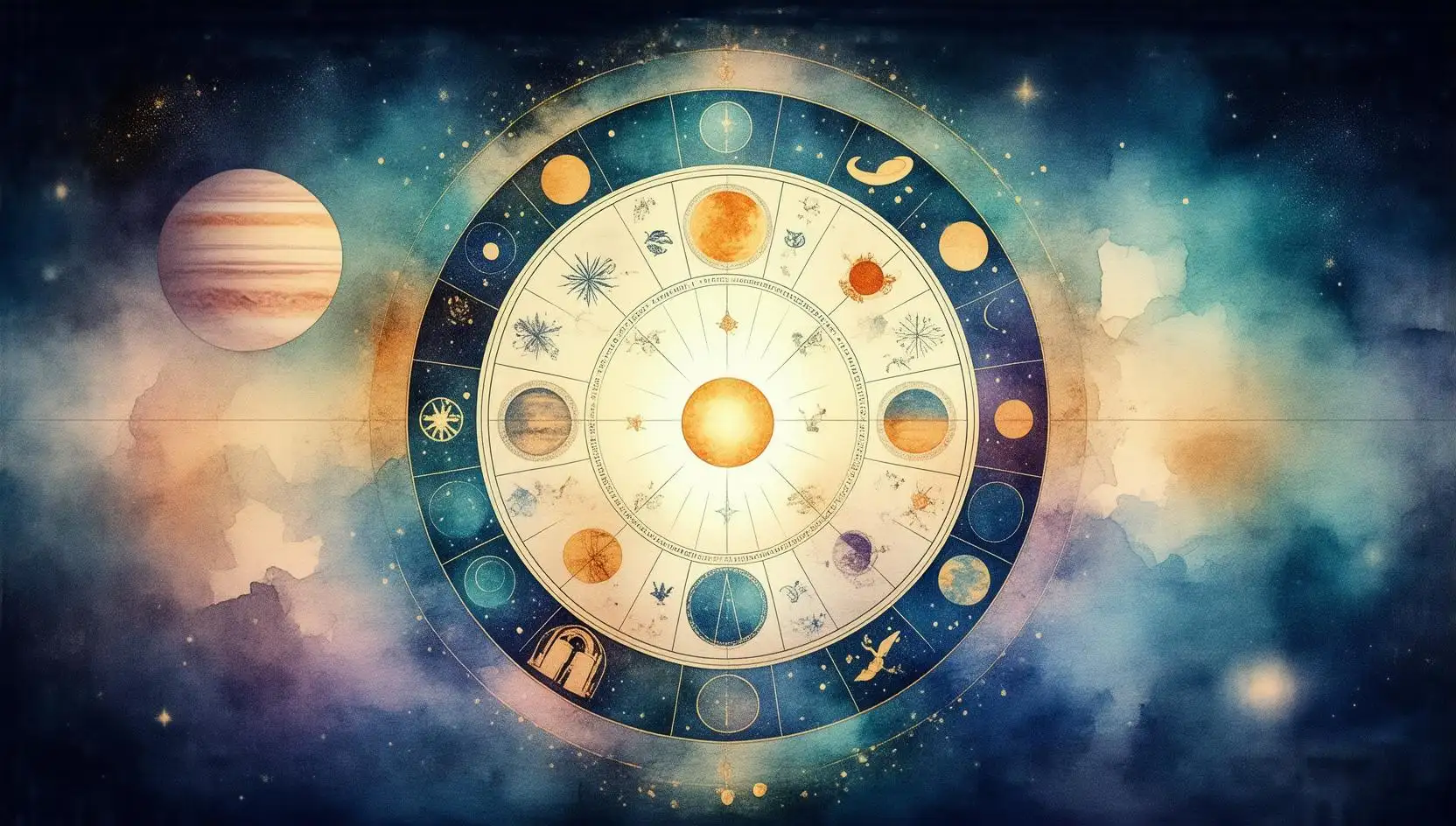
A common misconception is that having a planet in a particular house guarantees a specific outcome. In reality, interpretation must consider the entire chart, including planetary aspects, dignity, and sign placement. For example, having Mars in the seventh house doesn't automatically mean conflict in relationships—it could manifest as assertiveness in negotiations or a dynamic partnership.
There are several house systems used in astrology, including Placidus, Whole Sign, and Equal Houses. Each system divides the sky differently, leading to variations in house cusps. While Placidus is popular in modern Western astrology, traditional astrologers often prefer Whole Sign for its simplicity and historical accuracy (Source: International Astrological Research Journal).
For beginners, it's essential to start with the Astrology Basics before diving into advanced house interpretation. Learn the meanings of the planets, signs, and aspects first. Once you have a solid foundation, you can explore how these elements interact within the Astrological Houses to create a unique cosmic fingerprint.
The Astrological Houses serve as the scaffolding of your Birth Chart, offering a multidimensional view of your life. From personal identity to career and relationships, each house plays a pivotal role in shaping your experiences. By understanding how Planetary Influence interacts with these sectors, you gain deeper Self-Understanding and the ability to navigate life with greater clarity. Whether you're new to astrology or a seasoned enthusiast, exploring the 12 houses is a journey worth taking—one that reveals the cosmic blueprint of your soul's path.
Disclaimer: The content in this article about is for informational purposes only and does not constitute professional advice in any related field. Readers should make decisions based on their individual circumstances and consult qualified professionals when necessary. The author and publisher are not responsible for any actions taken based on the information in this article.
Hawkins
|
2025.09.02
