

 Feed back
 Privacy Policy
CosmoABCs
Astrology is often seen as a mystical art, but at its core lies a structured and logical system — the astrology chart reading. Central to this system is the concept of planetary aspects, which serve as the connective tissue between celestial bodies in a natal chart. If you've ever looked at a complex wheel of lines and wondered, How to read planetary aspects?, you're not alone. Many beginners and even intermediate astrologers struggle with decoding these powerful indicators of human experience.
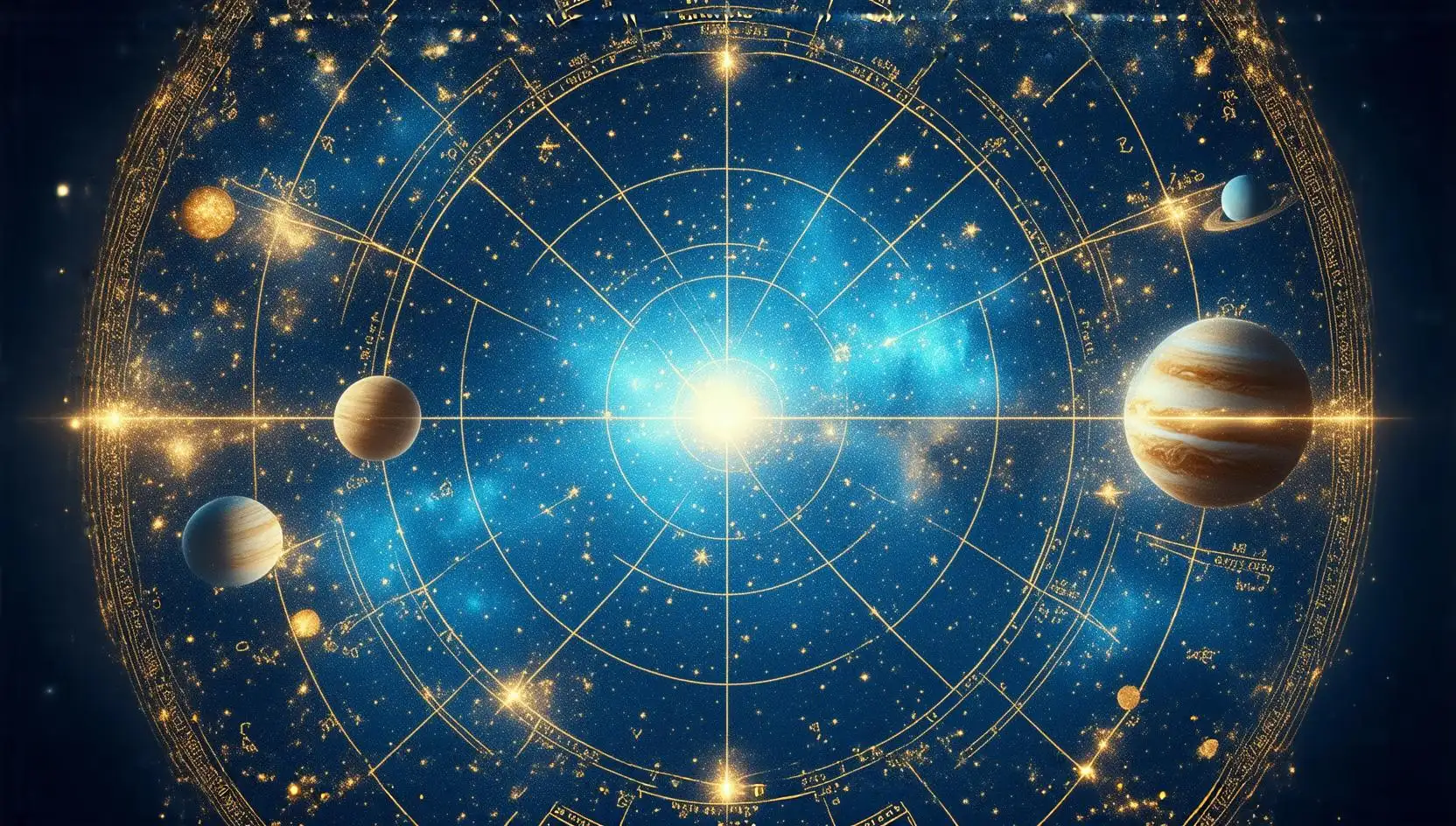
At its most basic, a planetary aspect refers to the angular relationship between two or more planets in a birth chart. These angles are measured in degrees along the zodiac and are represented by specific symbols on the chart. The significance of each aspect lies in how it modifies the expression of the planets involved.
There are five primary aspects in traditional astrology:
Each of these aspects plays a unique role in horoscope interpretation. For instance, a conjunction can intensify the nature of both planets, while a square may represent inner conflict or external obstacles that need to be resolved.
Modern astrology also considers minor aspects such as the quincunx (150°), semi-square (45°), and sesquiquadrate (135°), which add complexity and subtlety to the chart.
The power of planetary aspects lies in their ability to reveal patterns of behavior, emotional responses, and life circumstances. For example, a person with a Sun-Moon square may experience internal conflict between their ego (Sun) and emotional needs (Moon), often manifesting as mood swings or difficulty in decision-making.
According to a 2018 survey conducted by the American Federation of Astrologers, over 75% of practicing astrologers cited planetary aspects as the most critical factor in predicting life transitions and personal development. This is because aspects act as triggers — when activated by transits or progressions, they can initiate significant events or psychological shifts.
For instance, a Saturn-Pluto square in a natal chart may indicate a person who faces major life restructuring in their 30s (when Saturn returns), often accompanied by a deep transformation of values or identity.
To begin interpreting planetary aspects, it's essential to understand the psychological implications of each major aspect:
For example, a Venus-Mars trine can indicate a person who effortlessly expresses love and passion, while a Mars-Saturn square might suggest difficulties in asserting oneself or managing anger.
While major aspects form the backbone of horoscope interpretation, minor aspects can provide subtle but meaningful insights. Take the quincunx (150°), for instance — it often represents a need for adjustment or adaptation. A person with a Mercury-Neptune quincunx may struggle with clarity in communication or tend to idealize information.
A real-life case involved a client with a Moon-Uranus quincunx. She reported frequent emotional instability and a tendency to experience sudden shifts in mood. Upon deeper analysis, it became clear that her emotional patterns were closely tied to unpredictable external events, such as sudden job changes or relationship disruptions.
For instance, a Jupiter-Saturn trine in a chart where both planets are in earth signs (Taurus, Virgo, Capricorn) could suggest a person who is both optimistic (Jupiter) and disciplined (Saturn), excelling in structured environments like finance or academia.
One of the most powerful aspects of astrology chart reading is the ability to synthesize multiple layers of information. Consider the following example:
A person has a Sun-Moon square in Leo and Scorpio, respectively. While this aspect can indicate emotional volatility, the Sun is in the 10th house (career) and the Moon is in the 7th (relationships). This suggests that the native’s emotional struggles are closely tied to their public image and partnerships. Additionally, the Sun is ruled by the Sun itself (Leo) and the Moon is ruled by Mars (Scorpio), creating a dynamic interplay between leadership and intensity.
This layered interpretation allows for a much richer horoscope interpretation, helping the client understand not just what is happening, but why and how to navigate it.

In the realm of astrology chart reading, understanding planetary aspects is akin to learning the grammar of a cosmic language. Without this knowledge, even the most detailed chart remains a puzzle with missing pieces. By mastering how to read planetary aspects, you unlock the ability to provide nuanced and impactful horoscope interpretation.
Whether you're a student of astrology or a professional practitioner, the journey of understanding planetary aspects is one of continuous learning and refinement. With practice, patience, and a deepening awareness of how celestial patterns reflect inner and outer realities, you can offer readings that resonate on both a personal and universal level.
So, the next time you look at a chart filled with lines and angles, remember: those are not just symbols — they are the fingerprints of destiny, waiting to be read.
Disclaimer: The content provided in this article on how to read and interpret planetary aspects in astrology chart reading is for informational purposes only and does not constitute professional advice. Readers are advised to consult qualified professionals for personalized guidance. The author and publisher disclaim any liability for actions taken based on the information provided herein.
E. Thompson
|
2025.09.02
