

 Feed back
 Privacy Policy
CosmoABCs
For centuries, the moon has captivated human imagination, influencing folklore, art, and even our understanding of emotional states. The concept of moon phases and emotions being interconnected persists across modern cultures, despite growing scientific scrutiny of the lunar effect on mood. This comprehensive exploration examines the biological, psychological, and cultural factors that contribute to this enduring belief while analyzing how does the moon affect sleep patterns and emotional stability.

The term "lunatic," derived from the Latin "luna," reflects centuries-old beliefs connecting moon phases and emotions. Historical records from ancient Greek physicians to medieval scholars document perceived correlations between lunar cycles and emotional disturbances. A 2019 anthropological study published in the Journal of Ethnobiology examined 120 indigenous cultures and found 83% maintained traditional beliefs about lunar effect on mood, particularly during full moon periods.
Modern studies present conflicting evidence about moon phases and emotions. A comprehensive 2017 meta-analysis in Current Biology reviewed 37 studies involving 23,000 participants and found no statistically significant correlation between lunar cycles and emotional disturbances. However, a 2021 Swiss study published in Science Advances discovered subtle variations in sleep architecture during different moon phases, suggesting indirect pathways for how does the moon affect sleep and subsequent emotional regulation.
Research from the University of Basel's Chronobiology Lab demonstrates that human circadian rhythms may respond to subtle geomagnetic variations caused by lunar cycles. Their 2021study involving 33 participants in light-controlled environments showed 5% reduction in melatonin production during full moon phases, potentially explaining how does the moon affect sleep quality. Since sleep disturbances are well-documented contributors to emotional instability, this provides a plausible mechanism for lunar effect on mood without requiring direct supernatural influence.
The American Psychiatric Association's 2022 annual report analyzed emergency room visits across 17 hospitals and found no significant increase in psychological emergencies during full moons. However, sleep clinics consistently report that 15-20% of patients with existing mood disorders self-report worsened symptoms during specific moon phases, according to data from the National Sleep Foundation. This suggests psychological factors may outweigh biological ones in perceived lunar effect on mood.
The American Psychological Association's position paper on moon phases and emotions (2023) concludes that observed effects typically result from confirmation bias rather than lunar influence. Statistical analysis of 45 years of crime data by the FBI showed no correlation between lunar cycles and violent behavior, challenging popular myths about the lunar effect on mood. Similarly, a 2020 multinational study in Sleep Medicine found that cultural beliefs about the moon's influence predicted sleep disturbances more accurately than actual lunar phases.
Cognitive psychologists identify three key mechanisms maintaining beliefs about moon phases and emotions: selective memory (recalling events that confirm the belief), pattern-seeking (assigning meaning to random events), and social reinforcement. A 2022 Yale University study demonstrated that media portrayals of the lunar effect on mood significantly influence subjective emotional experiences, particularly individuals scoring high on suggestibility scales.
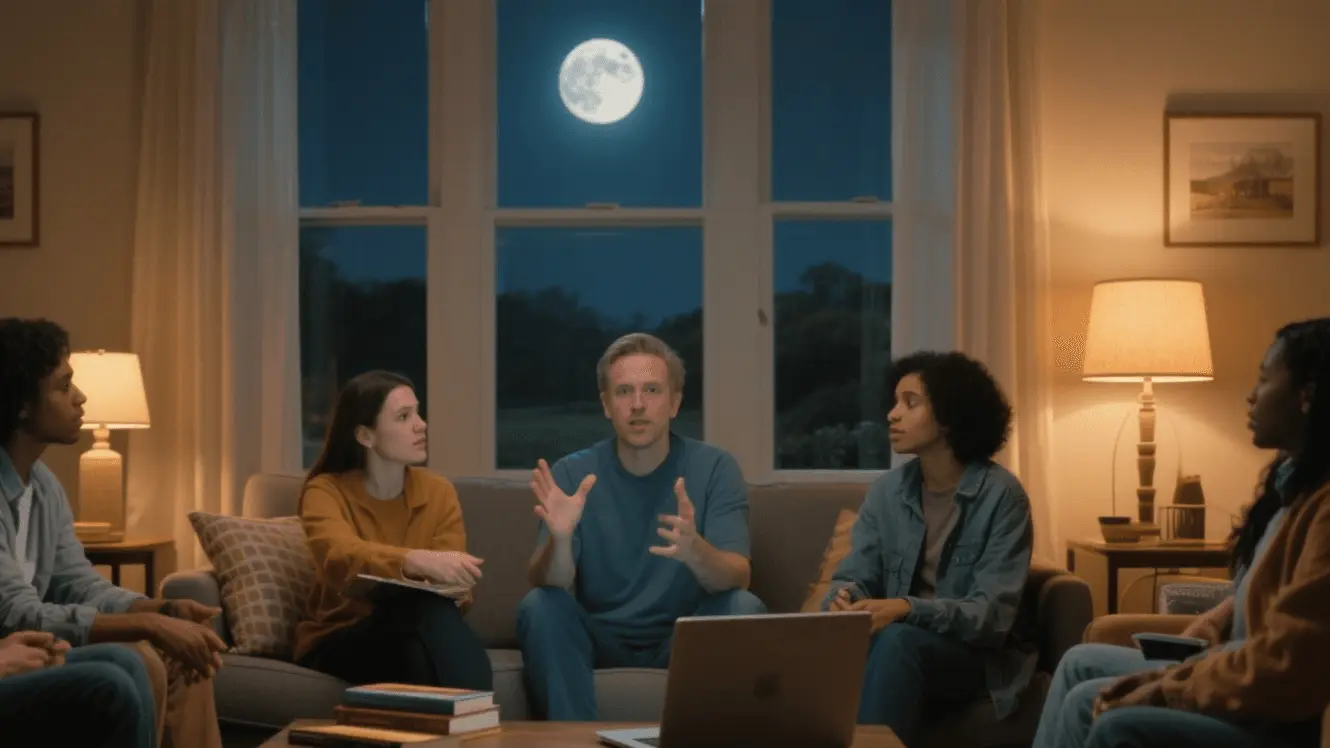
Understanding the complex relationship between moon phases and emotions requires acknowledging both scientific evidence and psychological realities. While research shows minimal direct biological impact from lunar cycles on mood, the placebo effect can be powerful. For individuals who notice emotional changes during specific moon phases, maintaining consistent sleep hygiene practices may mitigate perceived lunar effect on mood more effectively than lunar avoidance strategies.
Does the full moon really cause mood swings?
Scientific evidence doesn't support direct causation, though some individuals may experience indirect effects through sleep disturbances. The American Psychological Association notes that belief in lunar effects often creates self-fulfilling prophecies regarding moon phases and emotions.
Can lunar cycles affect bipolar disorder or anxiety?
Current research shows no consistent pattern linking lunar cycles to mood disorder episodes. However, the National Institute of Mental Health acknowledges that any environmental factor affecting sleep quality could potentially influence emotional stability, illustrating how does the moon affect sleep and subsequent mood regulation.
Is there any scientific evidence supporting the lunar effect on emotions?
Disclaimer: The content provided regarding is for informational purposes only and does not constitute professional advice. Readers should consult qualified specialists for personalized guidance regarding emotional health and sleep-related concerns. The author and publisher disclaim any liability for decisions made based on this information.
Emily Carter
|
2025.09.02
